
How Occupational Therapy Can Help Seniors Regain Independence
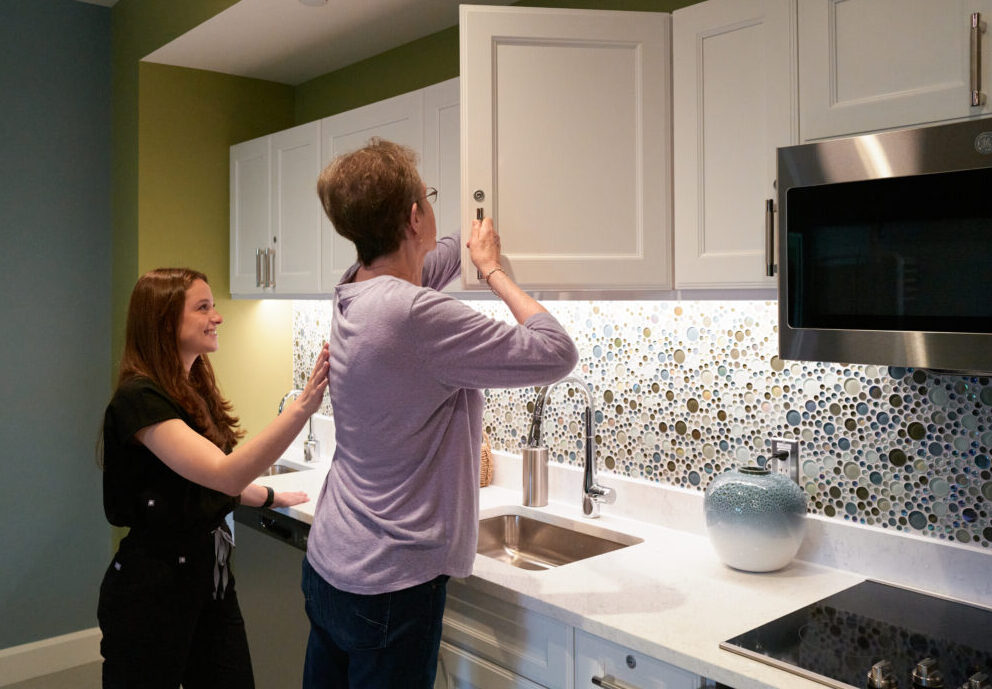
Everyday moments like showering, getting dressed, preparing meals or moving comfortably through the day are things many of us don’t think twice about. Rehab therapists often refer to these as activities of daily living, or ADLs.
When these tasks become more challenging—for you or someone you love—it can affect confidence, independence, and overall quality of life. Occupational therapy offers supportive, personalized ways to make daily activities feel manageable again, helping people regain independence and continue doing the things that bring meaning and joy.
What is occupational therapy?
Occupational therapy is often part of a therapy program for people who’ve had a stroke or surgery. It helps them relearn everyday activities and adjust to doing them differently. Occupational therapy can also make a difference for people struggling with the physical changes that accompany aging, such as hand arthritis or hip or knee problems that cause pain and problems with mobility.
Some of the activities of daily living (ADLs) occupational therapy helps improve or restore include:
- Enjoying meals and feeding yourself comfortably
- Bathing and showering with ease and confidence
- Moving safely through the day, including getting in and out of a chair or bed and walking
- Personal care routines like brushing teeth, combing hair and using the restroom
- Cooking, writing, cleaning and other tasks that support independent living
When once-simple activities become more difficult, it can be frustrating and discouraging. An occupational therapist can teach practical techniques that make everyday tasks easier and more manageable. Occupational therapy also helps strengthen fine motor skills, making favorite activities—like golf or cooking—feel possible again and supporting a better quality of life.
Let’s look at more ways occupational therapy helps you do the things you want and need to do:
Prevent falls—Falls can be a concern as we age. Occupational therapists share strategies to help reduce fall risk, conserve energy and stay active with greater confidence.
Create safer living spaces—An occupational therapist will look at your home and make recommendations for making it safer, such as grab bars or seating in the shower, slip-resistant flooring and/or home monitoring systems.
Improve well-being—Occupational therapy enables seniors to remain active, which promotes better health. By learning how to overcome daily challenges, seniors can regain self-confidence and renew their positive outlook on life.
Help with vision loss—Occupational therapists help improve perceptual vision, pattern detection and overall visual awareness. Simple changes, such as adding lighting, putting bright stickers on appliances or placing magnifiers in the home, can make daily activities feel more manageable.
Our top-rated rehabilitation team is ready to help.
If you or a loved one would benefit from occupational therapy, you can learn more about our rehabilitative services. Ridge Crest, our top-rated senior health center, offers a multidisciplinary team of physical, occupational, speech and respiratory therapists. Recognized as one of the top senior rehabilitation centers in the country by U.S. News & World Report, we can provide the quality care and personalized treatment you or your loved one needs.