Flights of Fancy: Birdwatching as a Lifelong Hobby
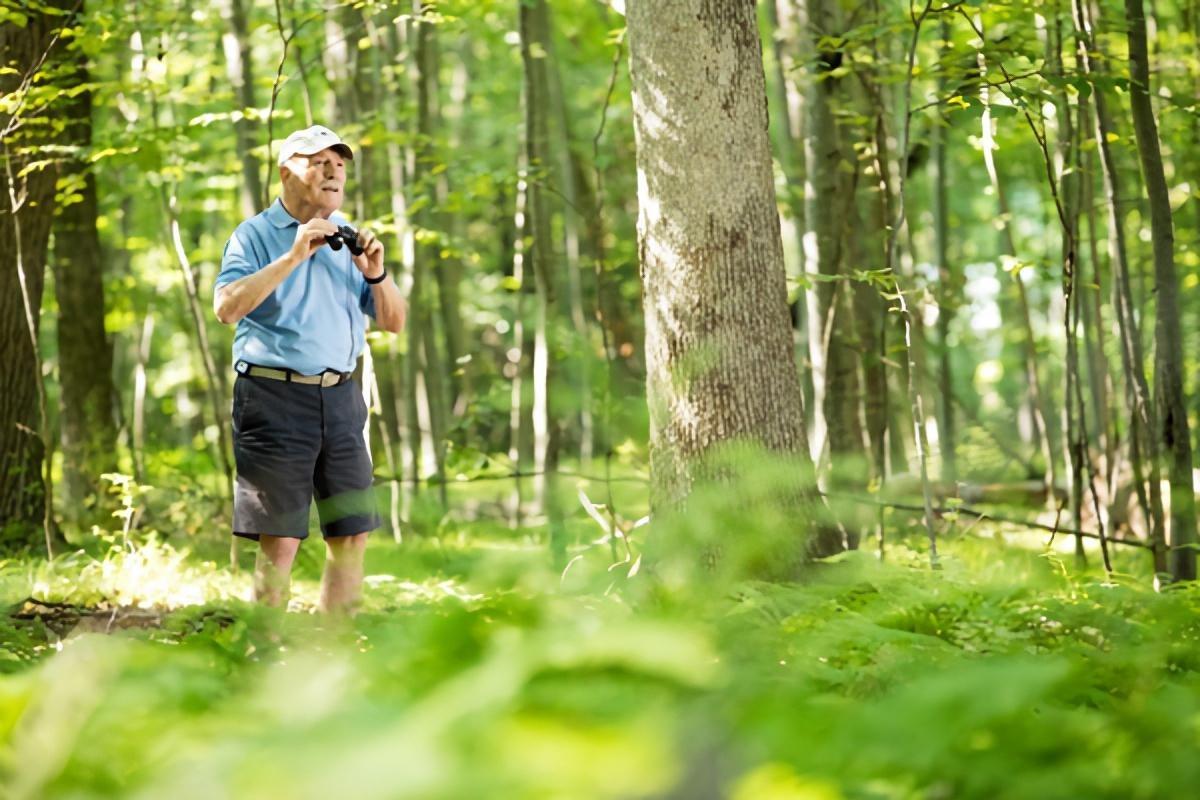
Hobbies keep the mind sharp and encourage an active, fulfilling lifestyle as we age. Why is birdwatching a great hobby for active seniors in Connecticut? It offers the chance to immerse yourself in one of the most beautiful landscapes, with lush foliage and rolling hills. Simply stepping outside to observe birds brings wellness benefits and deepens your connection to nature.
At Meadow Ridge, birdwatching is a beloved pastime for residents that combines the joy of discovery with the peace of nature. Christine Schiffer, executive assistant to the executive director, shares her passion for birdwatching by sending out bird sightings, fun facts and photos she captures during her walks on our 136-acre campus and beyond, alongside the Insider newsletter.
If you live in Connecticut, especially in the Redding area, you’re in a prime location to enjoy this hobby. More than 50 bird species have been spotted on and around the Meadow Ridge campus, making it an ideal spot for both seasoned birders and newcomers.
Birds of Connecticut: A Beginner’s Guide to Birdwatching
As a beginner in the birdwatching world, look for some of these common Connecticut birds to get started on your checklist:
American Goldfinch
Source: Missouri Department of Conservation
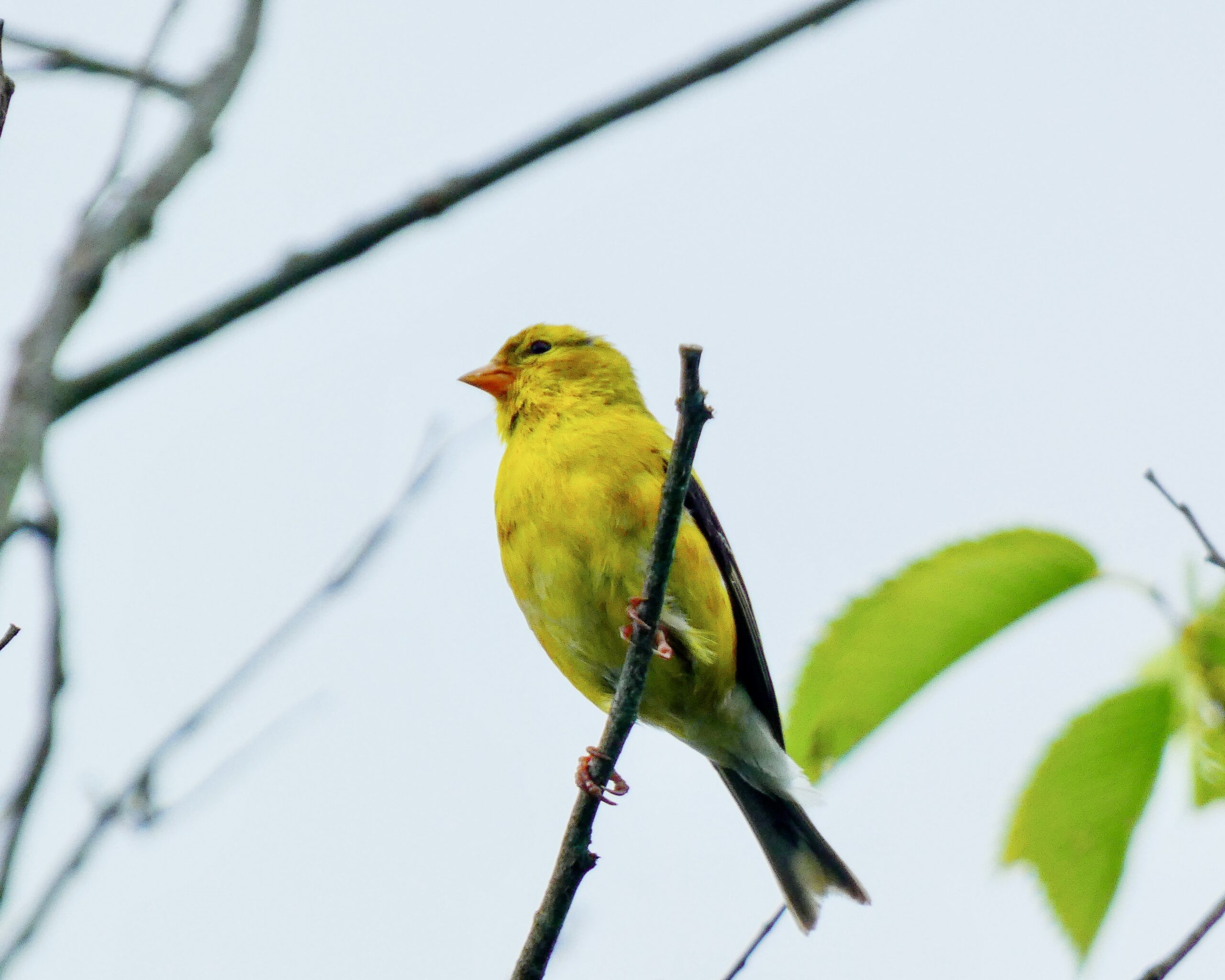 The black head and tail feathers add contrast to the golden plumage in males. The female American goldfinch has distinctive dark brown feathers that appear more olive in color than the male’s black. During the winter months, the goldfinch molts to reveal duller, drab colors, allowing the birds to blend in to the stark winter environment.
A curved conical beak rounds out the face of the American goldfinch. Light pink in color, the beak transforms to a fiery orange hue in both males and females during molting season.
A twittering song containing a long note marks the call of the American goldfinch. The warbling music has a high-pitched tone with staccato notes and a chirping sound.
Barn Swallow
Source: U.S. Department of the Interior: Bureau of Land Management
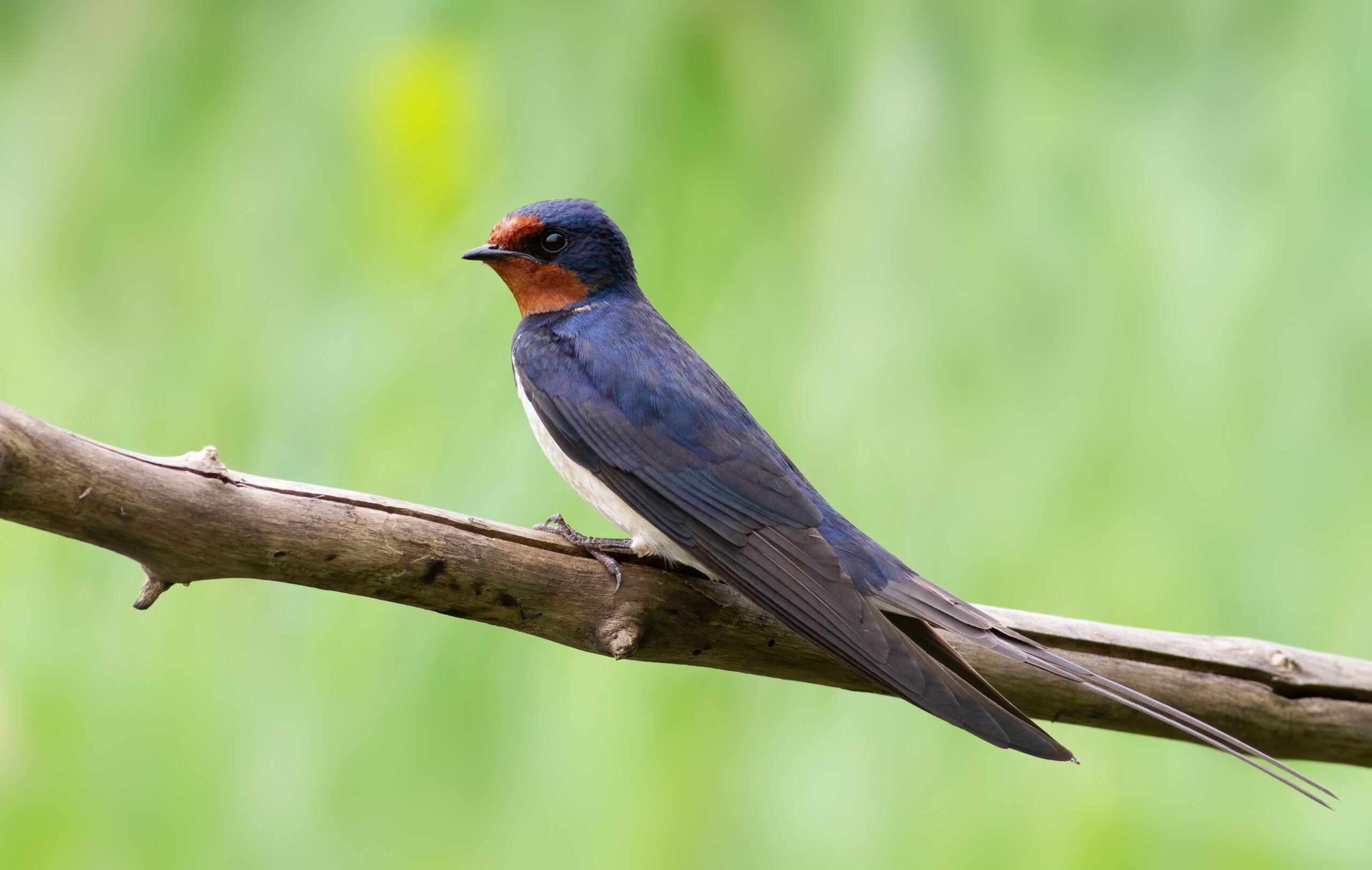
Barn swallows’ blue wings have white spots toward the darker, more muted forked tail. The reddish-orange head and chest make the barn swallow easy to distinguish from other birds.
The song of the barn swallow consists of a cheerful trill and sounds like a su seer call punctuated with witt-witt noises. The bird has two alarm songs that differ depending on whether the predator is a barn cat or a more dangerous, larger bird that preys on barn swallows.
American Robin
Source: U.S. National Library of Medicine
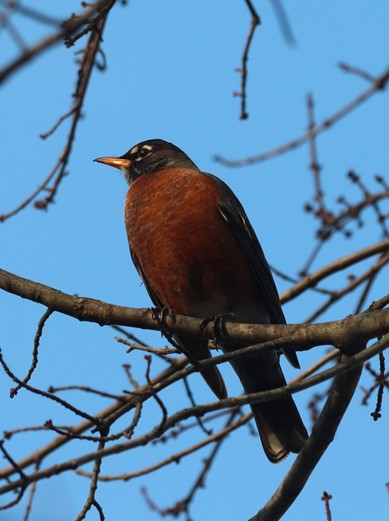
As the state bird of Connecticut, the American robin is arguably the most important bird on this list. The colors of the American robin vary with each bird, but typically, robins have a black/grayish head with white around the eyes, a red breast and a brown back and wings. The robin’s breast color varies with seasons and the bird’s gender, ranging from a peachy orange to a deep, rich red.
The bird’s yellow beak has a brown tip that darkens closer to black during the winter. The American robin’s diet consists of about 40% insects, worms and other invertebrates and 60% fruits and berries. This mixed nutrition allows the robin to stay further north during winter months, filling in any dietary needs with winter berries.
Black-Capped Chickadee
Source: Alaska Department of Fish and Game
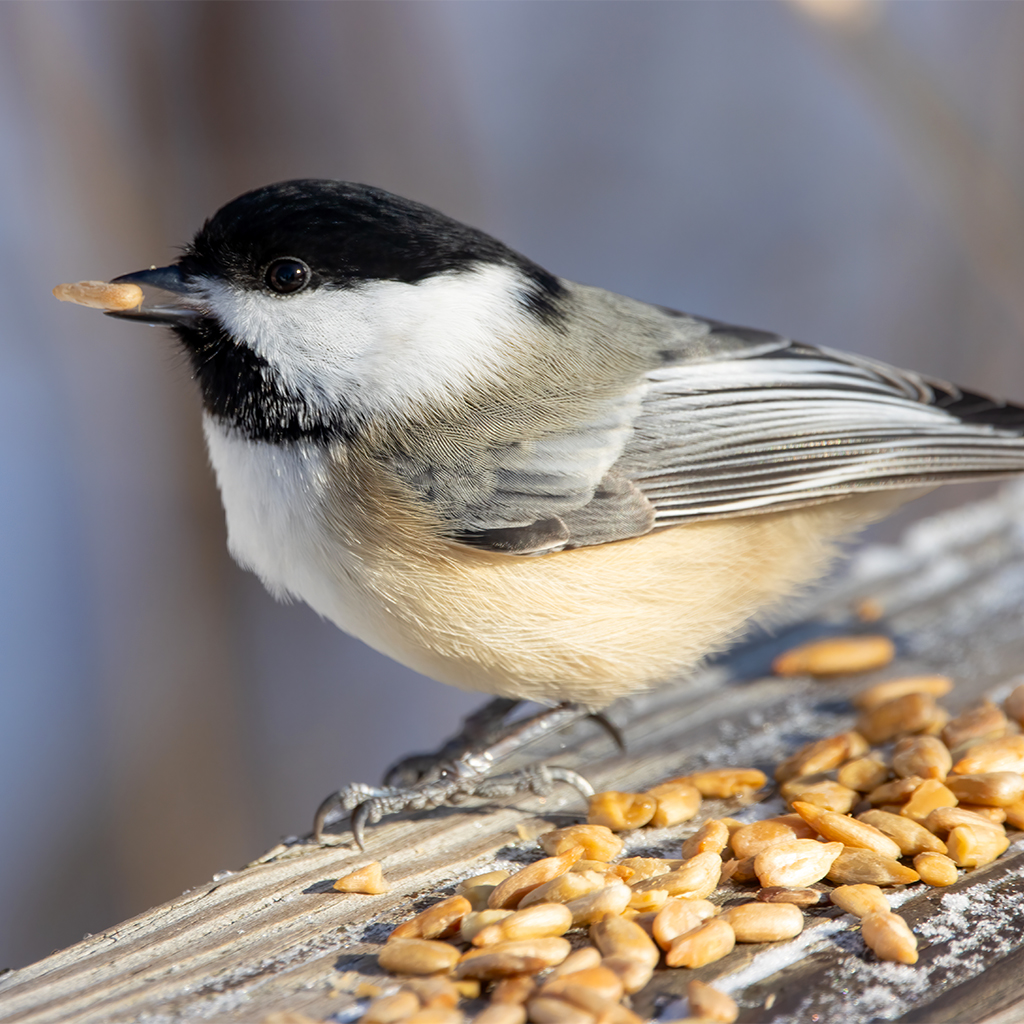
A bold, curious personality defines the black-capped chickadee. These birds go so far as to eat out of a person’s hand. True to its name, the black-capped chickadee has a black head and throat, with white cheeks and belly. The bird has light brown flanks and gray wings, leading to a dark gray tail.
While the typical song of the black-capped chickadee is a simple two-note whistle, birds have the ability to communicate complex messages to their mates and flock. Depending on how dangerous a nearby predator may be, the bird will add more ”dee”s to their song. For instance, a predator prowling the ground may get a sort of chicka-dee-dee-dee song, while a bigger threat like a pygmy owl will warrant a chicka-dee-dee-dee-dee-dee-dee-dee (up to 23 dees!).
Northern Cardinal
Source: Environmental Protection Agency
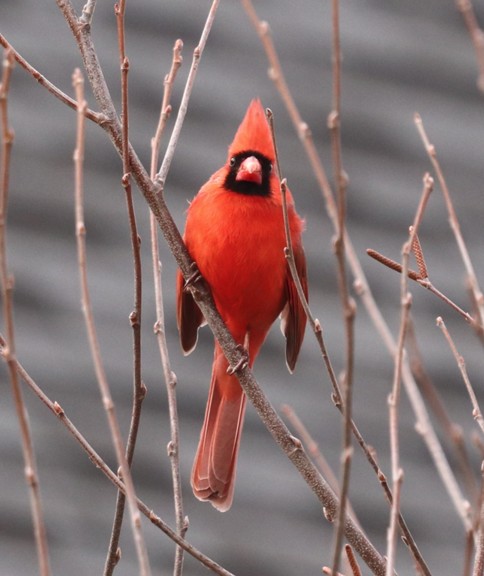
The northern cardinal’s bright red plumage makes it a favorite study for beginner bird watchers in Connecticut. Commonly known as a redbird, the male northern cardinal displays a more strikingly red coat and a black mask; the female has a gray mask and her feathers lean toward a brownish-red color.
The song of the northern cardinal consists of whooping tweets, followed by quick staccato chirps. Their songs vary depending on the reason for the call and the birds typically repeat one phrase for a period and then alternate to another whistled song. They have a distinctive alarm song, comprised of short chip-chip-chip notes. As the predators get closer, the alarm becomes louder and more urgent.
It’s Easy to Get Started
Start paying attention to your surroundings when going on walks or picnics. Make it a point to get outdoors at least a few times a week to search for the birds on your list and get in the habit of carrying a pair of binoculars when you go outside.
A Wealth of Activities for Every Interest
In addition to birdwatching, Meadow Ridge offers a variety of activities that cater to every aspect of wellness and well-being. From tai chi and pickleball to engaging group discussions, art classes and language courses, there’s something for everyone. Residents can enjoy our golf simulator, walking paths and entertainment options like live music, theater and trips to nearby museums. Whether seeking relaxation, social connection or personal growth, our community provides countless ways to stay active and engaged.