5 Reasons Seniors Should Volunteer
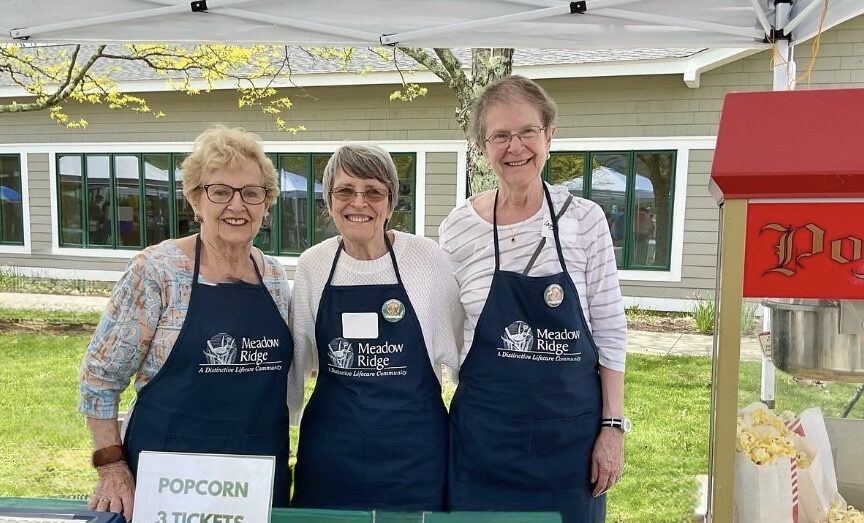
Many older adults are choosing to spend their time in meaningful ways by volunteering for causes close to their hearts. While they give generously of their time and energy, they often receive just as much in return—sometimes even more. Volunteering fosters a deep sense of purpose and well-being, with benefits that can ripple into every part of life, from lowering stress to building confidence and boosting overall health.
Giving back to your community also provides connection, activity and a renewed sense of purpose. While it’s true that the more you volunteer, the more the reward, that doesn’t mean you have to make a big commitment. In fact, even small acts of volunteerism can make a big difference. Research has shown that just two to three hours per week, or about 100 hours a year, of volunteer service can benefit seniors in many ways.
Here are five significant benefits of volunteering for older adults:
1. A Renewed Sense of Purpose
When you volunteer regularly, you are part of something bigger. Fellow volunteers—and your community—begin to count on your presence and service, giving you a sense of purpose. Meadow Ridge resident Ginny Green, who keeps our community’s Country Store humming, puts it beautifully: “I wake up every day with a real purpose. I have real work to do.”
For many older adults—especially those who have retired or lost a spouse—volunteering can bring fresh meaning and direction to their lives. No matter your age or stage of life, giving your time to others can ease worries, keep your mind sharp and add a welcome spark of energy and joy to your days.
2. Widens Your Social Circle
In a national poll, about 37% of Americans aged 50 to 80 said they felt lonely, and 34% reported feeling socially isolated. One of the best ways to stave off isolation and loneliness, make new friends and strengthen existing relationships is to participate in a shared activity together.
Volunteering is a great way to meet new people who share common interests with you. Dedicating your time as a volunteer also helps you expand your network and practice social skills with others. “The people you volunteer with become your best friends,” Ginny Green says. “You share the same goals and outlook.”
Volunteering may increase a person’s social networks, which can help lessen stress. By spending time in service to others, you will feel a sense of meaning and appreciation, which can have a stress-reducing effect.
3. Lowers Risk of Depression
Research has shown that volunteering can decrease the incidence of depression by as much as 43% for those over 65. The increased social interaction helps build a support system based on shared interests—both of which researchers say decrease depression.
Research continues to show how volunteering strengthens emotional well-being. A 2025 Social Science & Medicine study found that even modest volunteer activity reduces loneliness and boosts mental health by rebuilding social engagement and purpose. The U.S. Surgeon General’s advisory underscores that strong social ties protect against depression and anxiety—exactly what volunteering creates.
“Mattering matters—and giving to others is one of the most direct ways older adults feel they truly matter,” says Richard Leider, internationally recognized author and purpose expert. Leider, known for The Power of Purpose and his work with the University of Minnesota’s Earl E. Bakken Center for Spirituality & Healing, has long emphasized that purpose and contribution reduce anxiety, strengthen emotional well-being and help people navigate aging with meaning.
4. Keeps You More Active and Healthier
The Mayo Clinic reports that volunteering can trigger the release of dopamine—the “feel-good” chemical—leaving you calmer and more optimistic. Research has also shown that the act of volunteering as little as two to three hours a week can keep you more active and help you stay independent longer. Just as important, it lifts your spirits, eases feelings of loneliness or depression and naturally creates more opportunities to connect with others. All of this leads to better physical and mental health.
One study looked at patients living with chronic pain and found something remarkable: when they began volunteering to help others, their own pain levels dropped dramatically. What started as a pain score of 7.1 fell to 3.6 after they spent time giving back. In other words, helping others doesn’t just feel good; it can genuinely help you feel better.
5. Bridges the Generation Gap
When seniors work with younger generations, it’s about more than sharing skills—it’s about building connections that go both ways and everyone grows stronger. Whether it’s in schools, youth centers or mentorship programs, older adults have the chance to pass along life lessons and wisdom, while gaining fresh perspectives, energy and even a few tech tips in return.
These intergenerational bonds can create mutual respect and compassion, break down negative stereotypes about aging and highlight the lasting value of older adults’ contributions to society. Just as important, they inspire younger people to carry forward the spirit of giving back—planting seeds of volunteerism that can grow well into the future.
Volunteering in the Redding area
Now that you know the benefits of volunteering, you may wonder where to start. Fortunately, volunteer opportunities abound, and it’s easy to get started. Here are a few common volunteering options
- Collecting, preparing, distributing or serving food at a local food pantry or Meals on Wheels
- Fundraising or selling items to make money for a good cause
- Tutoring or teaching people of all ages
- Mentoring youth
- Working at the animal shelter
- Becoming a museum docent or guide
If you’re searching for ideas in the Redding area, a great place to start is VolunteerMatch. On the site you can search for volunteer opportunities by city or ZIP code. The United Way can also help you find volunteer options by area via their site Volunteer Connecticut.
AmeriCorps Seniors is a national program that invites adults 55 and older to share their time and talents through volunteer opportunities that strengthen communities and meet local needs. The network of programs includes Foster Grandparents, RSVP and Senior Companions, which enable seniors to lend their assistance to children, businesspeople and other seniors. In addition, you will find members of volunteer and charitable organizations right here on campus. They can help you find groups in need of your help.
Connect Through Clubs, Committees & Community Giving at Meadow Ridge
Here at Meadow Ridge, community involvement begins right at home. Residents not only volunteer in Redding—they help shape and enrich life on campus every day.
With abundant clubs, committees and weekly activities, there are countless ways to reawaken passions, discover new interests and connect with neighbors. Residents are welcome to join any group that sparks their curiosity—from the Food & Beverage Committee to the Concert Series Committee, Farm Club, Grounds Committee, Library Committee, Resident Association Board, Redding Sentinel reporting and more.
Many residents also extend their impact by supporting local initiatives such as the Mark Twain Library, deepening ties between Meadow Ridge and the greater community.
At Meadow Ridge, purpose and connection thrive—because when people come together to contribute, they truly feel they matter.